
How Thoughtful Interior Design Can Support Wellbeing
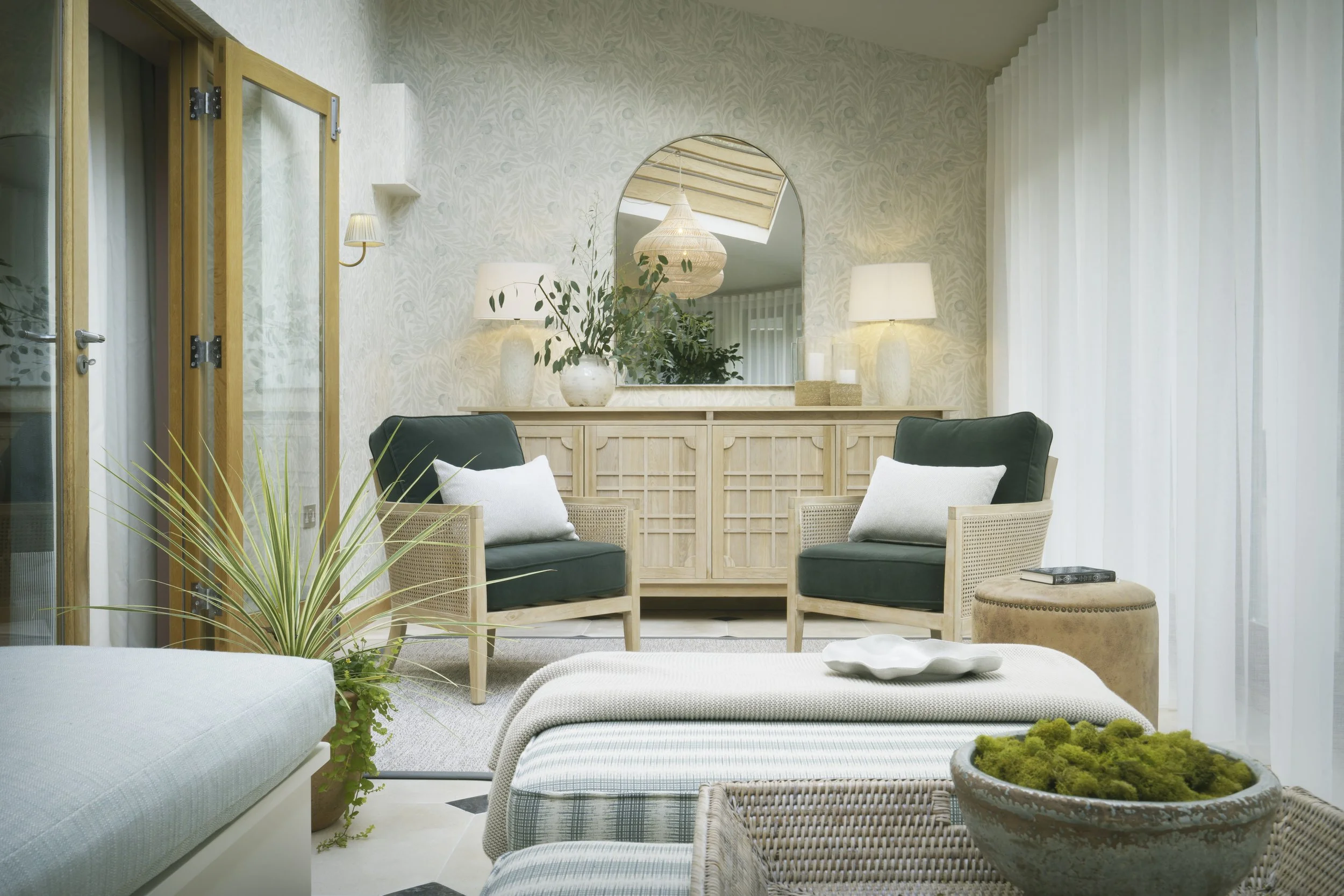
At Fiona Brass Interiors, love how you live is more than a phrase. It underpins every design decision we make. We believe that a well-considered home has the power to positively shape how you feel day to day, supporting calm, focus, and a sense of ease in an increasingly busy world.
Our homes are where life unfolds. They hold our routines, our relationships, and our moments of rest. When a home is thoughtfully designed, it becomes a place that supports you quietly and consistently, lifting the mood rather than adding to the mental load.
Below are some of the ways considered interior design can contribute to a greater sense of wellbeing.

Spaces That Work Effortlessly
One of the most important aspects of good design is function. When a space works as it should, daily tasks become easier and less mentally demanding.
Thoughtful layouts, appropriate furniture scale, and well-planned storage allow rooms to feel calm and intuitive rather than cluttered or restrictive. Poor design is often felt more than noticed, a drawer that sticks, furniture that interrupts flow, or a lack of storage that creates visual noise. Good design, by contrast, fades into the background, freeing up energy and attention for the things that truly matter.
When a home functions well, it supports a sense of control and ease, both of which play a key role in overall wellbeing.
Lighting That Supports Different Moments
Lighting has a powerful influence on how a space feels throughout the day. A carefully planned lighting scheme allows a home to transition naturally from morning to evening, supporting both productivity and rest.
Brighter, task-focused lighting can help with concentration in workspaces, while softer, layered lighting in living areas and bedrooms creates a sense of calm and comfort at the end of the day. By designing lighting around how you actually live, the home becomes more responsive, adjusting to your needs rather than working against them.
This layered approach removes the need to think about lighting at all, allowing the atmosphere to simply feel right.
Colour That Shapes Mood
Colour has a subtle yet profound impact on how we experience a space. Soft, natural palettes tend to create a sense of calm, while deeper or warmer tones can add comfort and depth when used thoughtfully.
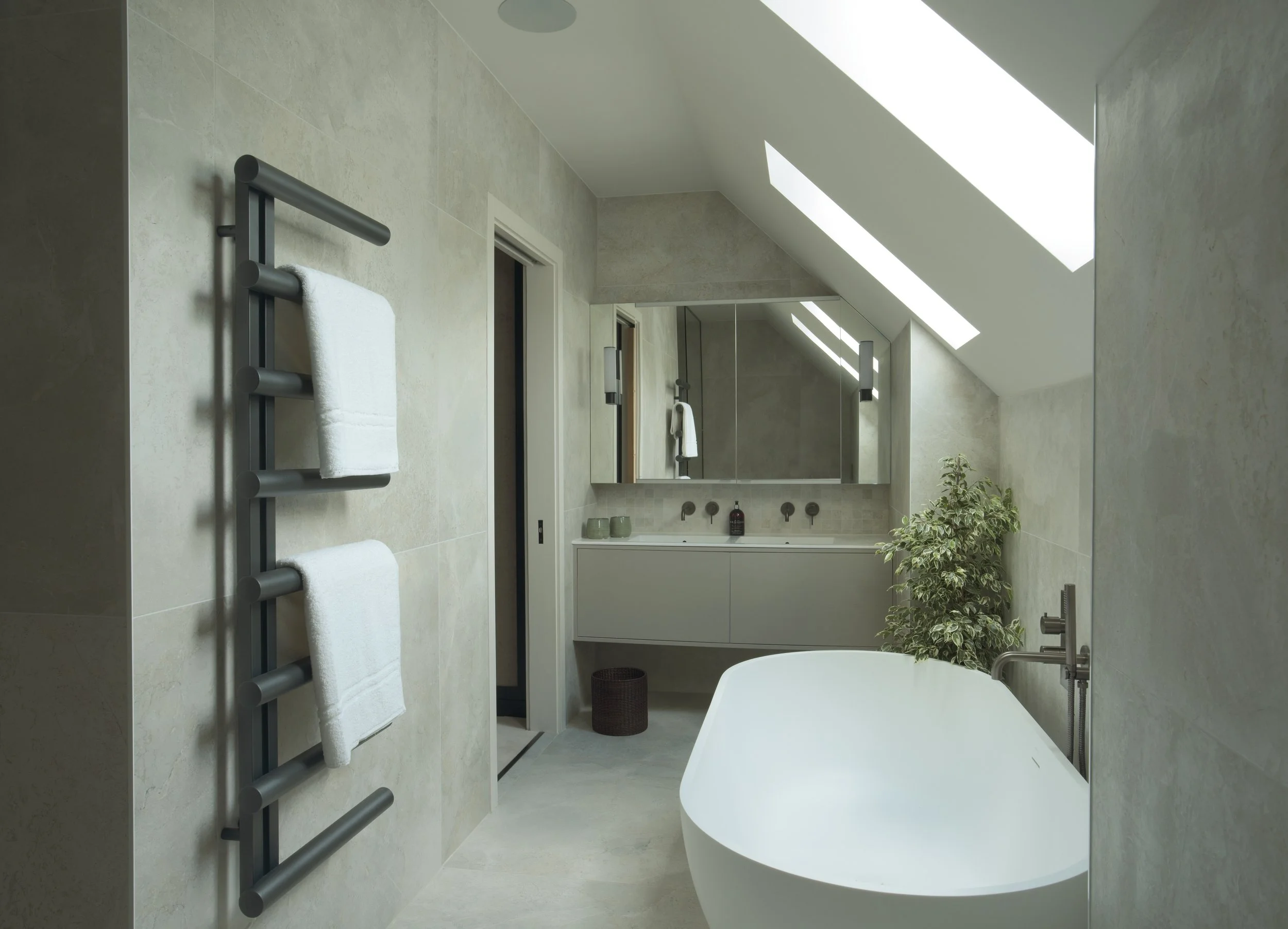
Rather than following trends, we consider how colour will make a space feel over time. Gentle contrasts, grounded tones, and natural references help create environments that feel reassuring and balanced. Introducing elements such as plants and natural materials further strengthens the connection between indoors and out, enhancing the sense of calm within the home.
Texture, Sound and Sensory Comfort
The materials and finishes within a home affect more than just how it looks. Soft furnishings, textured surfaces, and matt finishes all contribute to a quieter, more grounded environment.
Fabrics absorb sound and reduce echo, helping spaces feel calmer and less stimulating. Tactile materials add warmth and comfort, inviting you to settle in and feel at ease. These sensory details often make the greatest difference, even if they’re not immediately obvious.
A home that feels good to be in supports relaxation, creativity, and a greater sense of contentment.
Designing Homes That Feel Good to Live In
At the heart of our work is a focus on how a home makes you feel. By carefully balancing layout, lighting, colour, texture, and detail, we create spaces that quietly support wellbeing and allow daily life to flow more smoothly.
If you’re considering updating your home or exploring how interior design could help it better support the way you live, we’d be happy to talk. Thoughtful design isn’t about changing everything — it’s about creating a home that feels more like you, and one you genuinely enjoy coming back to.